

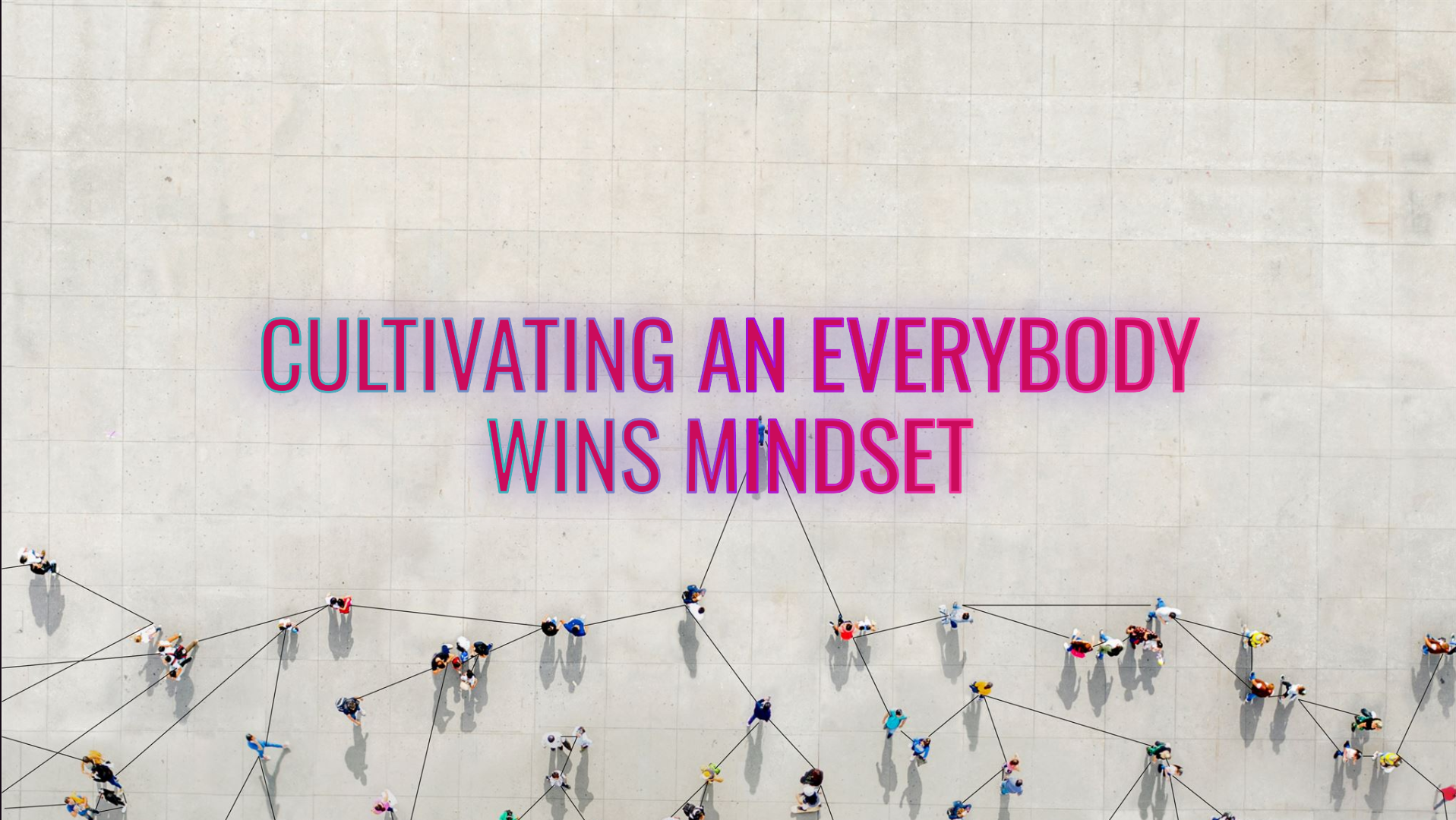
As we navigate the rapidly changing landscape of 2025, one thing remains clear: the need for leadership that prioritizes collaboration, inclusivity, and a genuine commitment to the well-being of all stakeholders. This is where the concept of an “Everybody Wins” culture comes into play – a philosophy and practice that transcends traditional win-lose paradigms and seeks to create a work environment where individuals, teams, and the organization as a whole can thrive and succeed.
Embracing an “Everybody Wins” culture has involved unlearning old habits, challenging deeply ingrained beliefs, and developing a new mindset rooted in empathy, empowerment, and a relentless pursuit of solutions that benefit all involved.
Challenging Traditional Paradigms: Moving Beyond Win-Lose Mentalities
For much of my career, I operated within a framework that viewed success as a zero-sum game. Competition was encouraged, individual achievements were prioritized, and “winning” often came at the expense of others. This mindset permeated every aspect of the organization, from performance evaluations to resource allocation to decision-making processes.
This traditional paradigm, rooted in scarcity and a belief that there’s only so much to go around, created a culture of fear, distrust, and disengagement. Individuals felt pressured to prioritize their own interests over the collective good, leading to silos, infighting, and a lack of collaboration.
My growing discomfort with this approach, coupled with my evolving understanding of servant leadership, led me to question these deeply ingrained beliefs. Could there be a better way, a way to create a work environment where success wasn’t predicated on someone else’s failure? This is where the idea of an “Everybody Wins” culture began to take root.
Everybody Wins: A Foundation for Servant Leadership
The concept of “Everybody Wins” is not merely a feel-good slogan or a naive attempt to create a utopian workplace. It’s a strategic approach to leadership that recognizes the interconnectedness of individual, team, and organizational success.
At its core, an “Everybody Wins” culture is rooted in the belief that by fostering a work environment where individuals feel valued, respected, and empowered, they are more likely to be engaged, productive, and committed to the organization’s success. This, in turn, benefits the organization as a whole, creating a virtuous cycle of growth and prosperity.
Key Principles of an “Everybody Wins” Culture
Several key principles underpin an “Everybody Wins” culture:
- Focus on Shared Goals and Values: Aligning individual and team goals with the overall mission and values of the organization creates a sense of shared purpose and fosters a collaborative environment where everyone is working toward a common objective.
- Embrace Collaboration and Open Communication: Creating opportunities for open dialogue, idea sharing, and collaborative problem-solving fosters a sense of ownership and empowers individuals to contribute their unique talents and perspectives.
- Prioritize Mutual Respect and Appreciation: Cultivating a work environment where individuals feel valued, respected, and appreciated for their contributions creates a sense of belonging and fosters a more positive and supportive work environment.
- Seek Win-Win Solutions: Approaching challenges and conflicts with a mindset that seeks solutions that benefit all parties involved, rather than resorting to win-lose compromises, fosters trust, strengthens relationships, and promotes long-term success.
- Emphasize Growth and Development: Investing in the growth and development of individuals, providing opportunities for learning, mentorship, and advancement, demonstrates a commitment to their well-being and empowers them to reach their full potential.
From Theory to Practice: Operationalizing an “Everybody Wins” Culture
Moving from theory to practice, I created the CARE to Lead model (housed within my Servant Leadership 101 program) to be an invaluable framework for operationalizing an “Everybody Wins” culture. The model, which stands for Connect, Align, Release, and Engage, provides a roadmap for leaders seeking to cultivate a more servant-led approach within their teams and organizations.
Each step in the CARE model aligns seamlessly with the principles of an “Everybody Wins” culture:
- Connect: Building strong relationships based on trust, empathy, and mutual respect is the foundation of an “Everybody Wins” culture. By actively listening to team members, understanding their perspectives, and demonstrating genuine care for their well-being, leaders can foster a sense of connection and belonging that is essential for collaboration and growth. This aligns with the “Relatable” aspect of the REAL leadership framework described in the sources, where leaders establish social and sympathetic relationships with those they lead.
- Align: Ensuring that individual and team goals align with the organization’s overall mission and values is crucial for creating a sense of shared purpose and direction. By clearly communicating expectations, providing opportunities for input and feedback, and fostering a culture of transparency and accountability, leaders can ensure that everyone is working toward a common objective.
- Release: Empowering individuals to take ownership of their work, providing them with the autonomy and resources they need to succeed, and fostering a culture of trust and support are essential for creating an environment where individuals feel motivated and engaged. This aligns with the principle of surrender, where leaders let go of the need for control and empower their teams to take ownership.
- Engage: Creating opportunities for individuals to contribute their unique talents and perspectives, fostering a culture of continuous learning and improvement, and celebrating successes along the way are key to sustaining an “Everybody Wins” culture. By recognizing and appreciating each individual’s contributions, leaders can create a work environment where everyone feels valued and motivated to do their best. This aligns with the principle of gratitude, where leaders actively appreciate and acknowledge the contributions of their team members67.
Embracing the Journey: Continuous Learning and Growth
My journey toward embracing an “Everybody Wins” culture has been marked by both successes and setbacks. There have been moments of clarity and inspiration, as well as times of frustration and doubt. But through it all, I’ve learned that cultivating this type of culture is an ongoing process, a journey that requires continuous learning, adaptation, and a willingness to embrace new ways of thinking and being.
One of the most valuable lessons I’ve learned along the way is the importance of self-awareness and a commitment to personal growth. As a leader, my mindset, beliefs, and behaviors have a profound impact on the culture I create.
By actively engaging in practices such as self-reflection, feedback-seeking, and continuous learning, I can become more aware of my own blind spots, challenge limiting beliefs, and develop new habits that support the creation of an “Everybody Wins” environment.
Another crucial aspect of this journey is the willingness to embrace vulnerability and transparency. Creating a culture where individuals feel safe sharing their perspectives, asking for help, and admitting mistakes requires leaders to model these behaviors themselves. By being open and honest about my own struggles, challenges, and areas for growth, I can create a more authentic and human connection with my team, fostering a culture of trust and psychological safety.
Embracing the Possibilities: A Vision for the Future
As we look ahead to 2025 and beyond, I believe that embracing an “Everybody Wins” culture is not only desirable but essential for organizations seeking to thrive in an increasingly complex and interconnected world. This approach to leadership, rooted in empathy, empowerment, and a genuine commitment to the well-being of all stakeholders, has the power to unlock the full potential of individuals, teams, and organizations, creating a more just, equitable, and prosperous future for all.
I am committed to continuing this journey, embracing the challenges and opportunities that lie ahead, and working collaboratively with others to create a world where “Everybody Wins” is not merely an aspiration but a lived reality.