

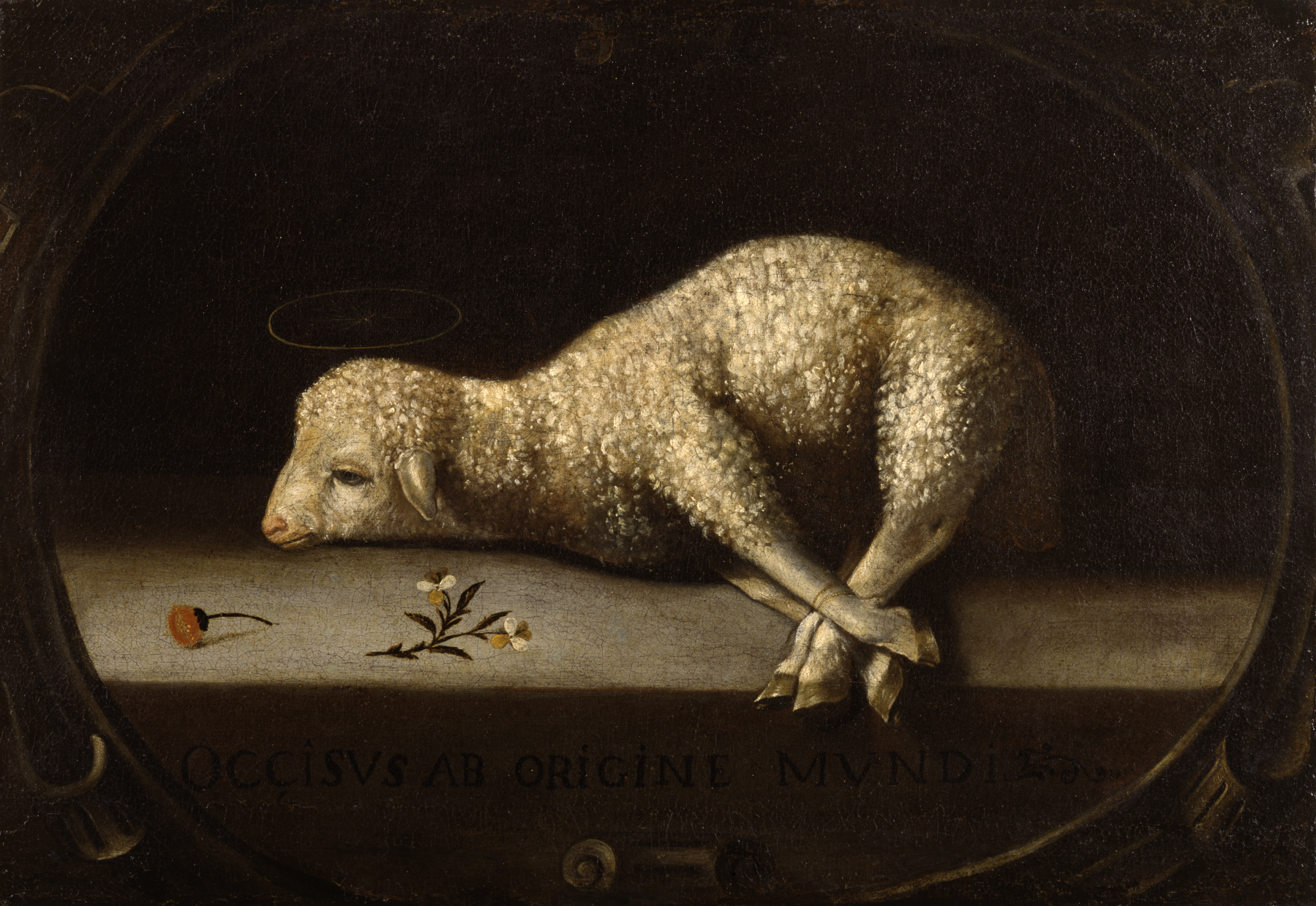
My boss shared a scripture in our Monday morning meeting this week from Hebrews 10:16-25. (I have to admit, it’s kinda cool we get to talk about this stuff at work so freely. Benefits of working at a faith-based nonprofit!) I mentioned in the meeting and kept thinking afterwards about verse 18 where it says, “sacrifice for sin is no longer necessary”. Paul seems to be making a point here, even from verse 1, that the law, the old way of doing things (blood sacrifice), can never truly take away sin. He calls these practices only a “shadow” of GOOD things that were to come later. He even challenges (maybe even criticizes?) the logic of doing the same thing over and over again to try to accomplish something that has not yet been successful in all the years of doing it! He points out that making the same sacrifices over and over again has failed at what they believed it would accomplish, which was atonement for sin. He even says something pretty direct: that the annual sacrifices are not taking away sin, but ONLY A REMINDER OF THE SIN THAT REMAINS (v. 3). Can you imagine how scandalous it was to say these things to certain people? Especially to priests who may be practicing sacrifice even still?
Wow.
“11 Day after day every priest stands and performs his religious duties; again and again he offers the same sacrifices, which can never take away sins. 12 But when this priest had offered for all time one sacrifice for sins, he sat down at the right hand of God, 13 and since that time he waits for his enemies to be made his footstool. 14 For by one sacrifice he has made perfect forever those who are being made holy.”
Paul is crafting a different story than the ones many people told themselves at that time. While I’m no Biblical scholar, I do know that blood sacrifice was pretty important and seen as an accepted practice. This was partially because of how people viewed the world at that time, believing in more of a mythical/magical presence in the world. Often, they did not view this presence as benevolent, forgiving or loving; rather as someone they have to please so that their crops would be blessed or their families would be healed and so on. Many people believed that they were at the mercy of God or the gods and could sway God’s actions towards them through sacrifice. This is important because this idea of sacrifice was instrumental in people understanding Jesus and The Cross. There could be a whole discussion here about how Jesus was present from the very beginning of time as we know it (and before that, but anyway) but arrives in flesh, on the scene for about 33 years on earth and makes the ultimate sacrifice. Why did he do that? Is God so powerless over sin he had to sacrifice his son? Was this done to exemplify God’s true nature in ways that were most meaningful at that time to get people past this endless cycle of blood sacrifice that wasn’t working? I don’t have all the answers but I think these are good questions to explore. I digress…
See, there’s the story we tell ourselves about ourselves; there’s the story the world tells about us and then there’s the story God tells about us. Here Paul is encouraging those who will listen, to live in alignment with God’s version of the story and not their own. He’s suggesting that maybe what we believed about the past should be left there and used mainly to understand where we are now and WHERE WE ARE HEADED. Maybe God is using what was believed before, to help us make sense of today and then use that to move us forward to tomorrow.
Maybe this book isn’t static.
Maybe this book is dynamic and we are still a part of a story-in-the-making.
That leads me to some final thoughts on this topic. If God has a story about us, and we have a story about us and the world has a story about us…which one are we believing?
Do you believe God’s version of your story or your own? Seems like humans tend to tell mixed up stories about God which in turn gives us mixed up stories about ourselves. So listen to what is being said just in this reference above. No need for sacrifice.
Are you living as if you have to convince God to bless you? Do you live in ways that make you feel pressured to do certain things to appease God? Is He a vending machine and you struggle daily to find the right change?
Listen: it is finished. That is the story God is telling about you. What is the story you are telling yourself?